
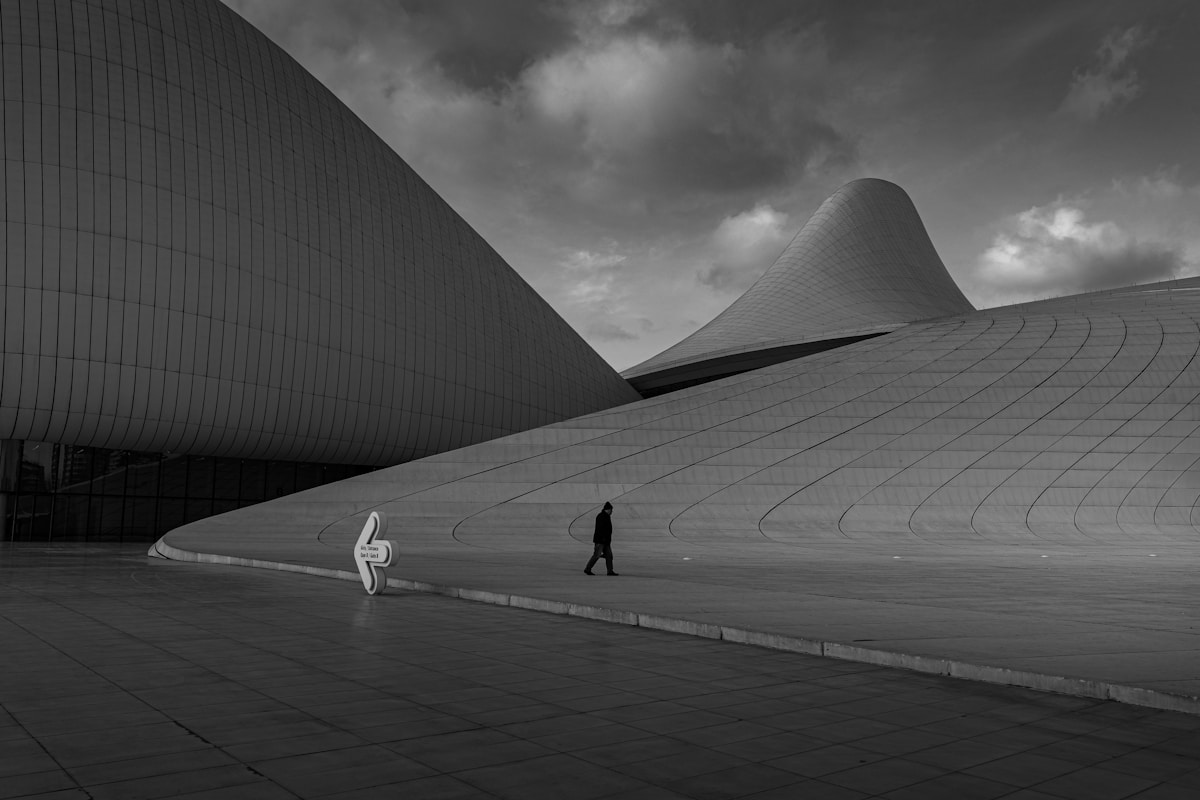
Exploring Minimalism in Design
Minimalism in design is not just a trend; it’s a philosophy that emphasizes simplicity and functionality. In this post, I will share my journey into minimalistic graphic design, highlighting how embracing the principle of “less is more” has transformed my approach to visual communication.
What is Minimalism in Design?
Minimalism in design refers to a style that uses the least amount of elements to create the maximum effect. It focuses on the essential aspects of a design, stripping away the unnecessary to allow the core message to shine. The main characteristics of minimalism include:
- Simple color palettes
- Clean lines and shapes
- Ample white space
- Limited text and imagery
The Philosophy Behind Minimalism
The philosophy of minimalism can be traced back to various movements in art and design. It emphasizes clarity, purpose, and functionality. The idea is that by reducing clutter, we can enhance the viewer’s focus on the intended message. This approach can be seen across various design disciplines, including graphic design, architecture, and product design.
My Journey into Minimalistic Graphic Design
As a graphic designer, I initially gravitated towards more complex and colorful designs. However, I soon realized that my work often lacked clarity and impact. This realization sparked my journey into minimalism, where I began to experiment with simpler designs. Here’s how I transitioned:
1. Embracing Simplicity
I started by consciously reducing the number of elements in my designs. This meant:
- Choosing a limited color palette
- Focusing on one or two key visual elements
- Utilizing negative space effectively
By embracing simplicity, I found that my designs became more impactful and easier for audiences to understand.
2. Focusing on Functionality
Minimalism is not just about aesthetics; it’s also about functionality. I began to ask myself:
- What is the primary message I want to convey?
- How can I communicate this message effectively?
- Are all elements necessary for conveying this message?
This focus on functionality helped me create designs that were not only visually appealing but also effective in communication.
3. Learning from Minimalist Masters
To deepen my understanding of minimalism, I studied the works of renowned minimalist designers such as:
- Massimo Vignelli
- Saul Bass
- Paul Rand
By analyzing their designs, I learned how they used space, color, and typography to create powerful visual communication.
The Impact of Simplicity on Visual Communication
Adopting a minimalist approach has significantly impacted my design process and the effectiveness of my work. Here are some key benefits of minimalism in visual communication:
1. Enhanced Clarity
One of the most significant advantages of minimalism is enhanced clarity. By removing unnecessary elements, the core message stands out. This clarity ensures that the audience quickly understands the intended message without distractions.
2. Improved User Experience
In digital design, minimalism contributes to a better user experience. Users appreciate interfaces that are straightforward and easy to navigate. Key benefits include:
- Faster loading times
- Reduced cognitive load
- Intuitive navigation
3. Timelessness
Minimalist designs tend to be more timeless compared to overly complex designs. Trends come and go, but simplicity remains relevant. This timeless quality ensures that designs do not quickly become outdated, providing long-term value.
Challenges of Minimalism in Design
While minimalism has many benefits, it also comes with challenges. Some of the common challenges include:
- Over-simplification: Stripping away too much can lead to a loss of meaning.
- Balancing aesthetics and functionality: It can be difficult to achieve a perfect balance.
- Audience perception: Some audiences may find minimalism too stark or uninviting.
Conclusion
My journey into minimalistic graphic design has taught me the value of simplicity in visual communication. By embracing the principles of minimalism, I have been able to create designs that are not only aesthetically pleasing but also effective in conveying messages. As I continue to explore this design philosophy, I encourage fellow designers to consider the impact of minimalism on their work. Remember, sometimes less truly is more.

